The implications of the Milburn Report for FE are clear: greater scrutiny of retention, progression and sustained positive outcomes. As it should be.
However, whilst we should rightly be preparing young people with the skills to be productive members of society, there is an obvious caveat: the jobs also need to be available for them.
There is a further challenge for sixth form colleges, whose students are likely to follow a predominantly A-level programme without a particular occupational focus, but who still need to be work-ready. We can no longer see a strong academic education and preparation for employment as competing priorities. Equally, employability should not just be seen as the ability to walk into a job. Success for our students is more than this, and we should consider the skills, behaviours and experiences we are able to equip them with.
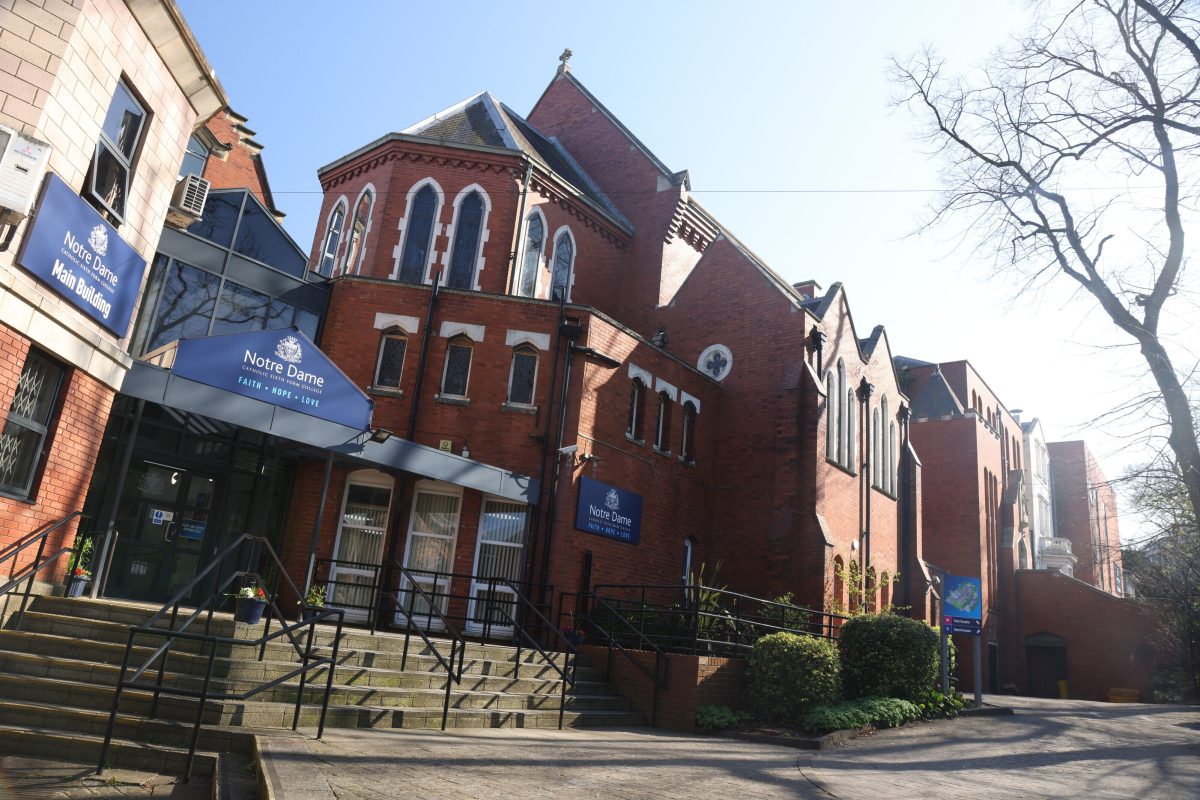
How to achieve this is something Notre Dame Catholic Sixth Form College has been focused on over recent years. We have considered several initiatives but believe the following have been the most successful.
First and foremost, all our A-level provision has an explicit programme of employability embedded within its schemes of work. This workplace skills enrichment programme is interwoven into the curriculum, combining curriculum-based skills with challenges set by industry, employer engagement and workplace visits. We do not just deliver careers education during a careers week; rather, it is an integral part of A-level teaching. We have found that, whilst the job market may not be buoyant, there is a strong culture within industry of ‘giving back’ by coming into colleges and working with subject areas. Each subject has a Pathways page providing live data on related jobs.
Alongside this, we have a strong focus on soft skills through the College’s Stella Maris Leadership Awards, which simultaneously recognise and celebrate virtues that translate into the soft skills demanded by employers today. Students are recognised for their perseverance, independence and compassion, which leads to a Leadership Award, now accepted by several universities across the country. It provides students with concrete examples to use at interview, demonstrating where they have contributed to local communities, shown determination and taken responsibility for an activity or initiative.
The Careers Department is integral to this, with its highly structured programme. Primarily delivered ‘long and thin’ through our tutorial programme, it also ensures there is weekly provision involving visiting speakers and industry experts, including employer encounters and mock interviews tailored to different employment sectors.
Is it enough? We understand that the array of work experience opportunities seen in the past is not available, as businesses’ capacity to offer them is limited. We should be held accountable for preparing young people for their futures, but policymakers must equally be held accountable for ensuring the labour-market opportunities are there for them.
By Sarah Dumont, Senior Deputy Principal at Notre Dame Catholic Sixth Form College, Leeds